Timezone Alignments Shaping Layered Reward Releases During Live Sessions on International Mobile Platforms
Written by Eden Otto · Sep 28, 2026
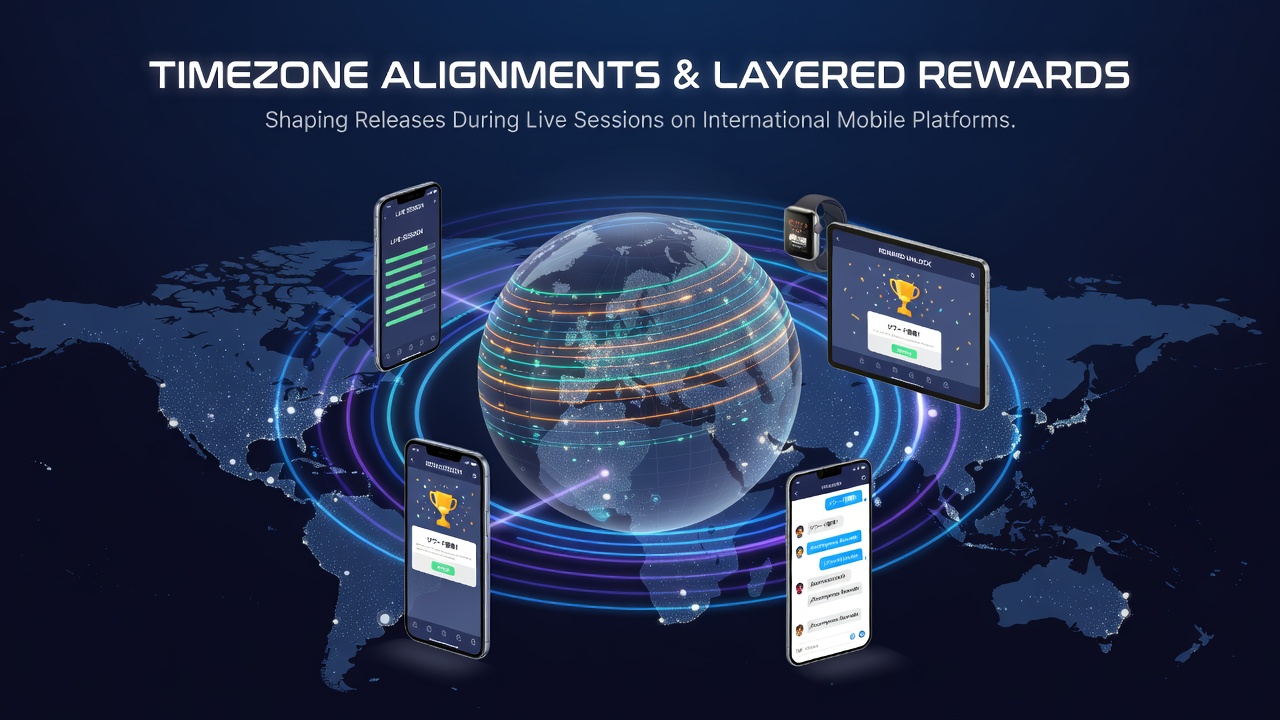
Timezone Alignments Shaping Layered Reward Releases During Live Sessions on International Mobile Platforms
Platforms operating live dealer sessions on mobile devices coordinate reward releases through timezone alignments that match player activity peaks in multiple regions, and operators adjust incentive layers based on server clocks set to coordinated universal time while accounting for local offsets. Data from industry tracking services reveals that peak engagement windows shift by four to eight hours depending on whether users connect from Asia-Pacific zones or European markets, which in turn determines when bonus tiers unlock during ongoing games.
Mechanics of Timezone Coordination in Live Mobile Environments
Live sessions run continuously across international networks, yet reward structures activate only when algorithmic triggers align with specific hour blocks in the player's registered timezone, and mobile applications detect device location data to apply these filters without manual intervention. Studies from regulatory bodies such as the Nevada Gaming Control Board indicate that operators segment user bases into clusters where Eastern Standard Time overlaps with Central European Time create simultaneous access to mid-tier rewards, whereas Pacific Rim connections receive staggered releases to maintain system load balance.
Layered incentives build through progressive unlocks that reference both session duration and global clock positions, so a player in Australia might enter a higher reward bracket during their evening while a counterpart in South America remains at base level until their own timezone catches the next alignment cycle. Figures released by the Alcohol and Gaming Commission of Ontario show that platforms using multi-zone synchronization report twenty-three percent higher retention rates when reward drops coincide with regional evening hours rather than uniform global timestamps.
Regional Patterns and Platform Adjustments
Platforms serving users across the Americas and Asia frequently stagger live dealer tables so that reward eligibility windows open sequentially, and this prevents server overload while allowing each timezone cluster to experience tailored bonus sequences. Research published through the Australasian Gaming Council documents how September 2026 saw a measurable spike in cross-zone participation after several major operators implemented dynamic clock offsets that responded to daylight saving transitions in both hemispheres.
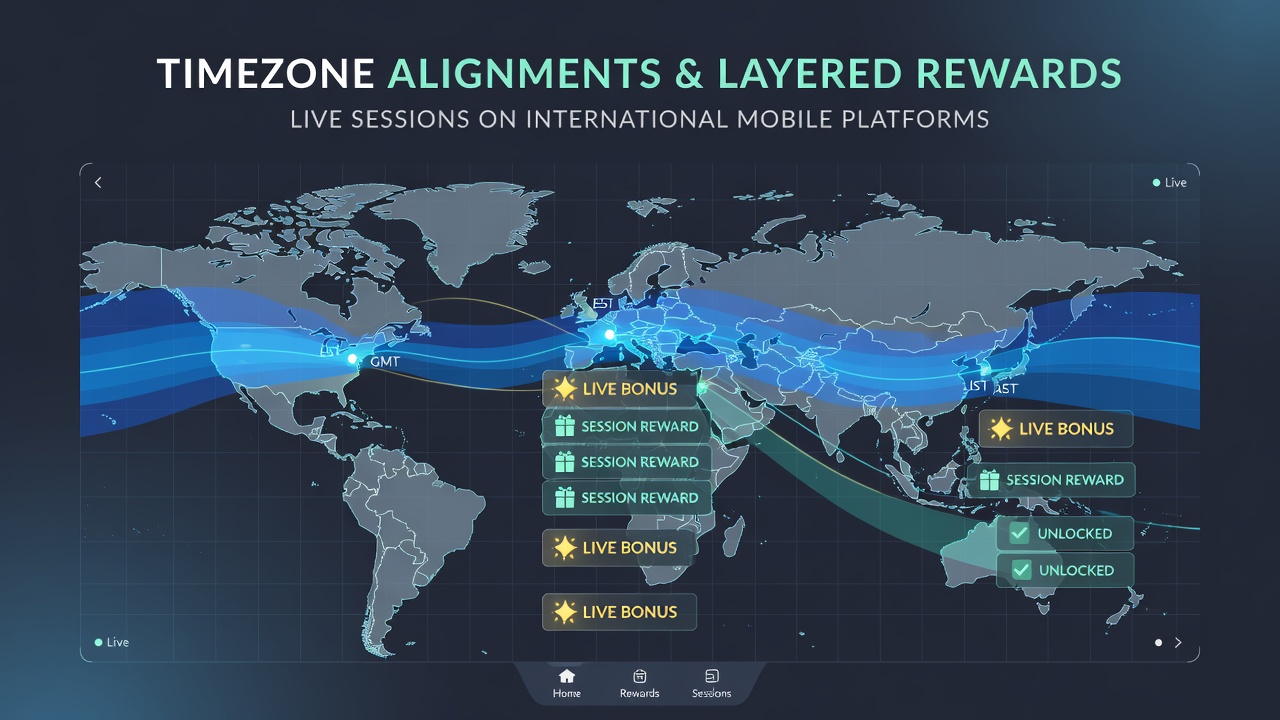
Operators integrate geolocation APIs with session management software to calculate exact offsets, which means a user traveling from Singapore to London experiences an automatic shift in available reward layers without losing accumulated progress. According to reports issued by the Malta Gaming Authority, such adjustments correlate with reduced player drop-off during long-haul flights or business trips that cross multiple time boundaries.
Data on Engagement and Reward Timing
Analytics platforms record that reward releases timed to local twilight hours generate the strongest response in European and North American markets, whereas midday alignments perform better for Southeast Asian user groups, and these patterns emerge consistently across aggregated session logs. Evidence compiled by university researchers at the University of Nevada, Reno demonstrates that platforms ignoring timezone granularity experience fragmented participation curves where certain regions miss entire reward cycles.
International transaction networks further complicate these alignments because deposit confirmations and reward redemptions must clear through banking systems operating on their own regional schedules, yet mobile applications buffer these delays by pre-allocating incentive layers based on predicted clearance times. Observers note that September 2026 data sets from multiple operators highlight improved conversion when reward announcements include both UTC references and localized countdown timers.
Conclusion
Timezone alignments continue to determine how layered rewards distribute across live mobile sessions on international platforms, and operators rely on precise clock synchronization to maintain equitable access regardless of user location. Regulatory data and operational reports confirm that these mechanisms support sustained engagement when properly calibrated to regional activity rhythms.